Are you drawn to Pacific Beach for its walkable vibe and ocean air, but unsure which home style fits your lifestyle and renovation goals? You are not alone. Between historic cottages, mid-century duplexes, raised beach houses, and sleek modern infill, each property type lives differently and carries distinct rules for what you can change. In this guide, you will learn how the most common local styles look, live, and renovate, plus how lot size, setbacks, and the 30-foot coastal height limit can shape your plans. Let’s dive in.
Pacific Beach context and rules
Pacific Beach is shaped by coastal planning, compact lots, and community character priorities. Many properties sit within the California Coastal Zone, which can add design review, permits, and public noticing for larger projects. The City of San Diego’s zoning and the Pacific Beach Community Plan guide setbacks, lot coverage, parking, and height.
You often hear about a 30-foot height limit along the coast. Where it applies, it generally supports two full stories and may limit a full third level. This varies by parcel, overlay zones, and roof forms, so always confirm for the specific property. Narrow lots and shallow setbacks also limit lateral additions and drive a more vertical approach within the allowable envelope.
Coastal conditions influence materials and maintenance. Salt, wind, and moisture accelerate corrosion and wear on exterior finishes, deck hardware, windows, and flashing. Planning ahead for durable materials and scheduled upkeep is part of owning near the ocean.
Signature styles you will see
Below are the dominant Pacific Beach home types, with key features and renovation realities to consider.
Beach cottages and bungalows
These early 1900s to 1930s homes often feature simple wood frames, gable roofs, sash windows, and cozy porches. Floor plans are compact and primarily single level, which suits easy coastal living on smaller lots.
Renovation outlook: Many cottages predate modern seismic, plumbing, and electrical codes. Upgrades typically include insulation, window replacement, HVAC, and system modernization. Expanding up or out can be constrained by setbacks, structural capacity, and height. If a home is historically designated, exterior changes may be limited and reviewed for preservation.
Spanish and Mission Revival
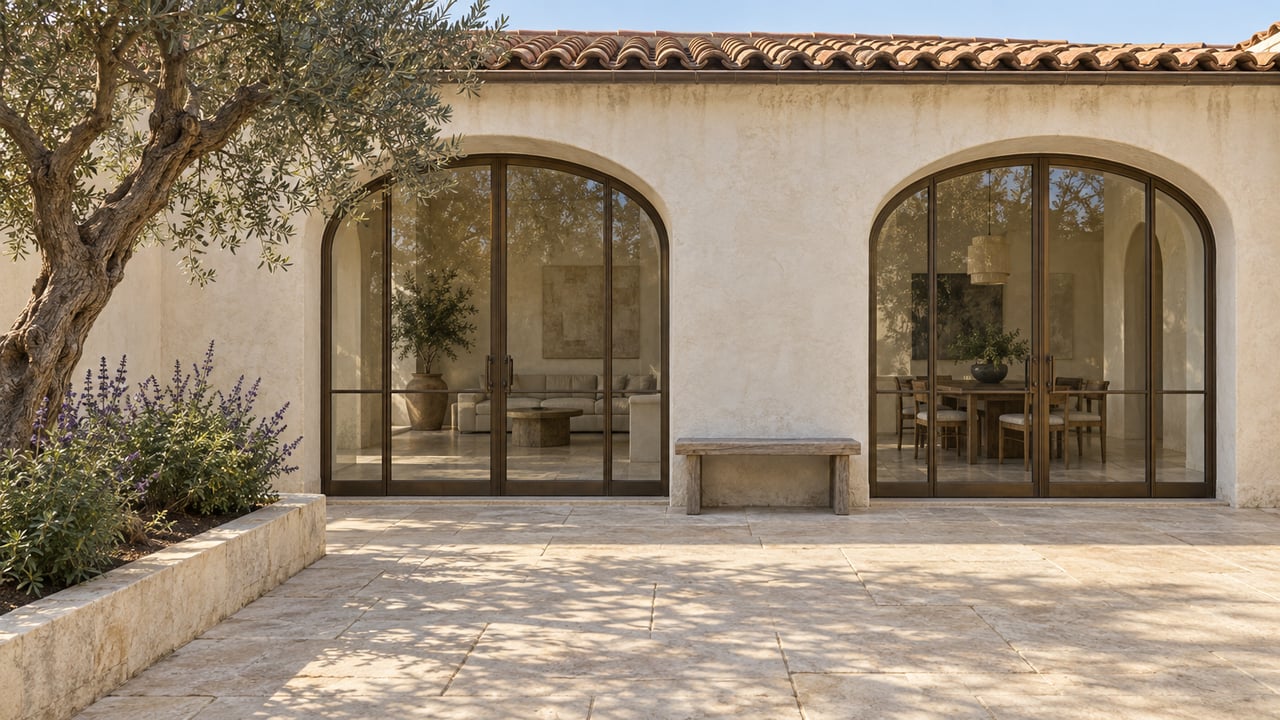
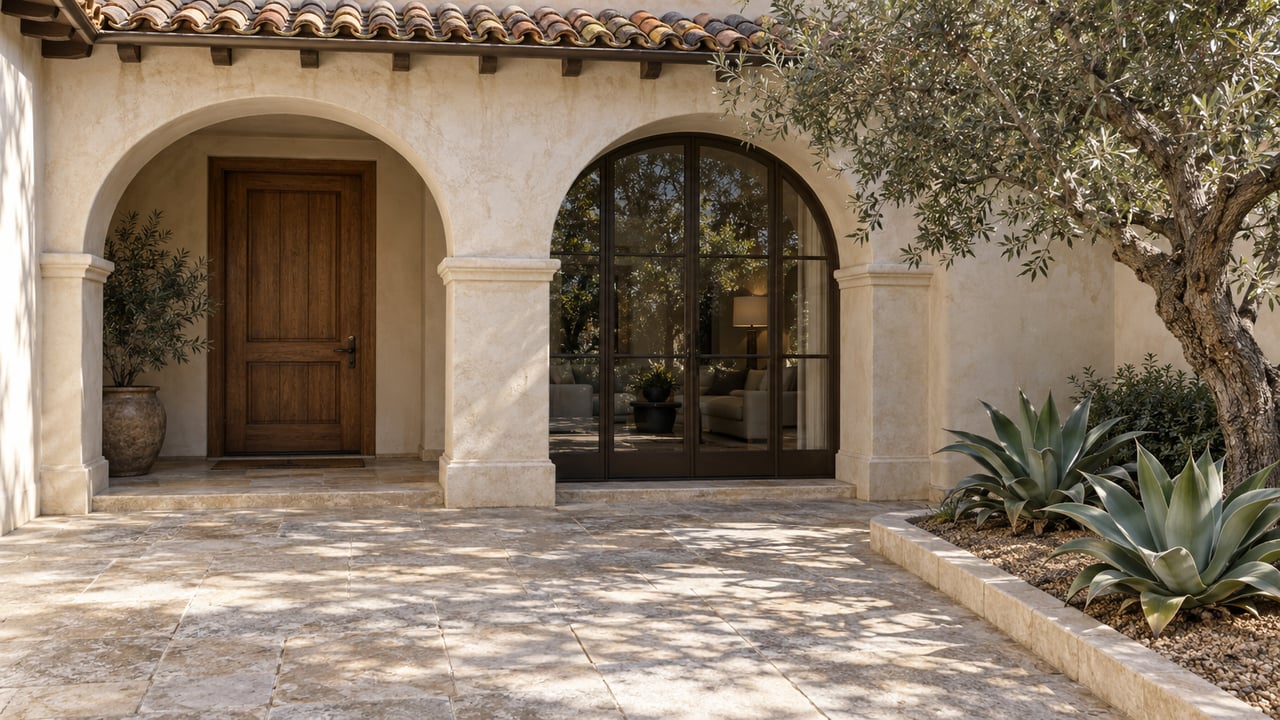
Also seen from the 1910s to 1930s, these homes use stucco exteriors, red tile roofs, and arched openings. They are less common than cottages but appear in pockets of coastal San Diego.
Renovation outlook: Expect stucco and roof repair needs. Maintaining character elements can be attractive for resale, provided updates respect the original proportions and details.
Mid-century duplexes and low-rise multi-family
Built from the 1940s through the 1960s, these structures emphasize practical, boxier massing with flat or low-slope roofs. Many include stacked or side-by-side units with shallow setbacks and small private outdoor spaces.
Renovation outlook: Converting units or consolidating layouts requires attention to shared utilities, plumbing stacks, and structural walls. Zoning and parking standards influence what is allowed. If you plan accessibility changes or significant reconfiguration, anticipate more extensive permitting and potential seismic work.
Raised beach houses and elevated designs
These homes elevate living spaces to capture views and often allow parking or storage beneath. Expect broad decks oriented toward the ocean and multiple exterior stairs.
Renovation outlook: Lifting an older house or adding a raised level is complex. Engineering for foundations and lateral resistance is critical, and you will need to account for safe stair or elevator access and any parking standards for under-structure spaces. Here, detailed feasibility planning is essential.
Contemporary infill and modern townhomes/condos
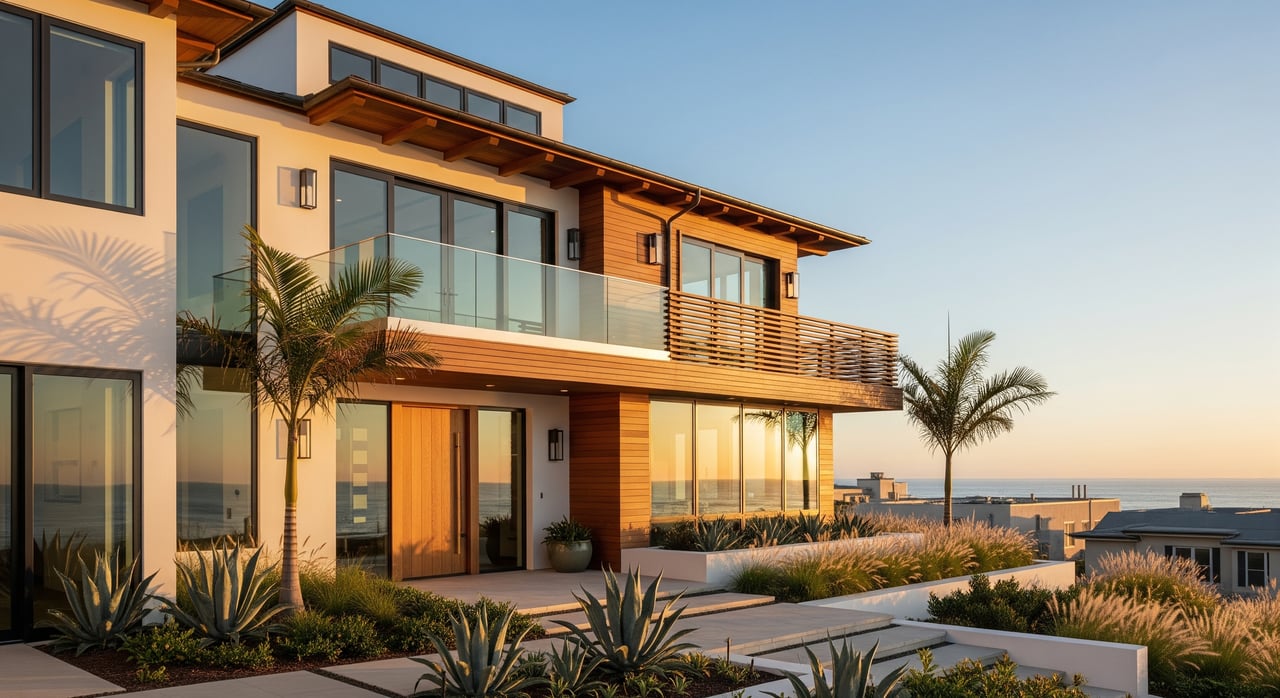
Since the 1990s, especially post-2000, many infill projects replaced older structures with two to three levels, flat roofs, large glazing, and materials designed for coastal durability. Rooftop decks may be present where allowed.
Renovation outlook: Newer systems and modern layouts support turnkey living. Because these builds often max out the allowable envelope, large additions are rare. Interior upgrades and finish refreshes are common, though exterior changes can be tightly regulated by coastal rules or HOA covenants in condo settings.
How style affects livability and value
Your long-term comfort and upside depend on the fit between a home’s style and what you can legally and practically change.
Turnkey vs renovation upside
- Smaller cottages offer charm and room for value-adding modernization inside, with careful attention to structure, insulation, and systems.
- Mid-century multi-unit buildings can suit investors or owners who want flexibility, but unit conversions depend on zoning and parking.
- Modern infill tends to trade expansion potential for immediate livability and lower near-term maintenance.
Lot size and setbacks
Compact lots curb horizontal additions and shape where you can place new space. Many older homes sit close to lot lines and may be legally nonconforming. Enlarging those footprints typically requires discretionary review, which adds time and uncertainty. An early zoning and setback check can save months of redesign later.
Height limits and decks
Where the 30-foot height limit applies, it usually supports two levels and may constrain a full third. Floor-to-ceiling heights, roof forms, and mechanical chases matter. If a rooftop deck is important to you, verify whether it is allowed on your parcel and how it factors into height calculations.
Parking and unit counts
Adding units or converting layouts can trigger parking requirements, which are challenging on narrow lots. Tandem or off-site solutions add complexity and cost. Align your plan with parking rules from the start to avoid redesigns.
Coastal maintenance realities
Salt, moisture, and pests
Coastal air accelerates corrosion of metal fasteners, railings, and deck hardware. Moisture can lead to rot at windows, doors, and subflooring. Termite inspections are prudent before purchase and periodically during ownership. Budget for corrosion-resistant materials and proactive maintenance.
Foundations and seismic needs
Older light-frame cottages may require foundation retrofits to meet current seismic expectations or to support a new second story. If you plan to reconfigure loads or add levels, expect structural engineering and potential foundation work to be major cost drivers.
Permitting and timelines
Coastal review basics
Large additions, second stories, and unit conversions usually require building permits and, in coastal areas, possible Coastal Development Permits and public notice. Near the shoreline, reviews can add months, so sequence your design, engineering, and permitting plan carefully. Historic designation or character-focused overlays, where applicable, introduce additional review steps for exterior changes.
ADUs and added space
California’s ADU policies have made it easier to add an accessory dwelling unit in many cases. That said, local implementation, setbacks, and parking still apply, and coastal review can affect timing. Confirm the rules for your specific parcel before you design an ADU or garage conversion.
Buyer checklist for Pacific Beach
Use this quick list to assess a property’s potential and risks before you commit:
- Verify zoning, Coastal Overlay status, and any height, setback, and lot coverage limits for the parcel with the City of San Diego.
- Order a coastal-focused home inspection emphasizing corrosion, rot, moisture intrusion, and deck hardware.
- Ask for past permits and check for any historic designation or survey references.
- Confirm parking requirements if you plan to add units, consolidate units, or change bedroom counts significantly.
- Consult a local architect or contractor early to test-fit your wish list against height and setback constraints.
- Request realistic budgets and timelines that include possible discretionary reviews in the coastal zone.
Choosing the right path
There is no one-size-fits-all answer in Pacific Beach. If you love the soul of an early cottage and are comfortable investing in systems and structure, you can create a refined, efficient retreat that respects history. If you value instant livability and lock-and-leave convenience, modern infill or a newer townhouse may be the better fit. The key is to align style, lot realities, and coastal rules with how you want to live.
If you are weighing renovation versus turnkey and want calm, expert guidance, we can help you evaluate structure, scope, and resale impact before you write an offer. For discreet, high-touch representation backed by deep construction and market expertise, connect with WM Luxury Real Estate.
FAQs
What home styles dominate Pacific Beach?
- Expect early beach cottages and bungalows, Spanish and Mission Revival, mid-century duplexes and small multi-family, raised beach houses, and contemporary infill and townhomes.
How does the 30-foot height limit affect additions?
- Where the limit applies it typically allows two full stories and may constrain a third level, so verify parcel-specific zoning, overlays, and how decks or roof forms are measured.
Can I add an ADU near the coast in Pacific Beach?
- State ADU law helps, but local implementation, setbacks, parking, and potential coastal review still apply, so confirm parcel rules before designing an ADU or conversion.
What should I inspect in older beach cottages?
- Focus on foundations, seismic bracing, electrical and plumbing, insulation, window condition, roofing and flashing, deck hardware, and signs of rot or corrosion.
Are rooftop decks allowed on my property?
- Permission depends on zoning, height measurement rules, and in some cases HOA covenants, so verify whether a deck is allowed and how it counts toward height.
How do parking rules impact unit conversions?
- Changing unit count or layout can trigger parking requirements that are hard to meet on narrow lots, which affects feasibility, cost, and approvals.