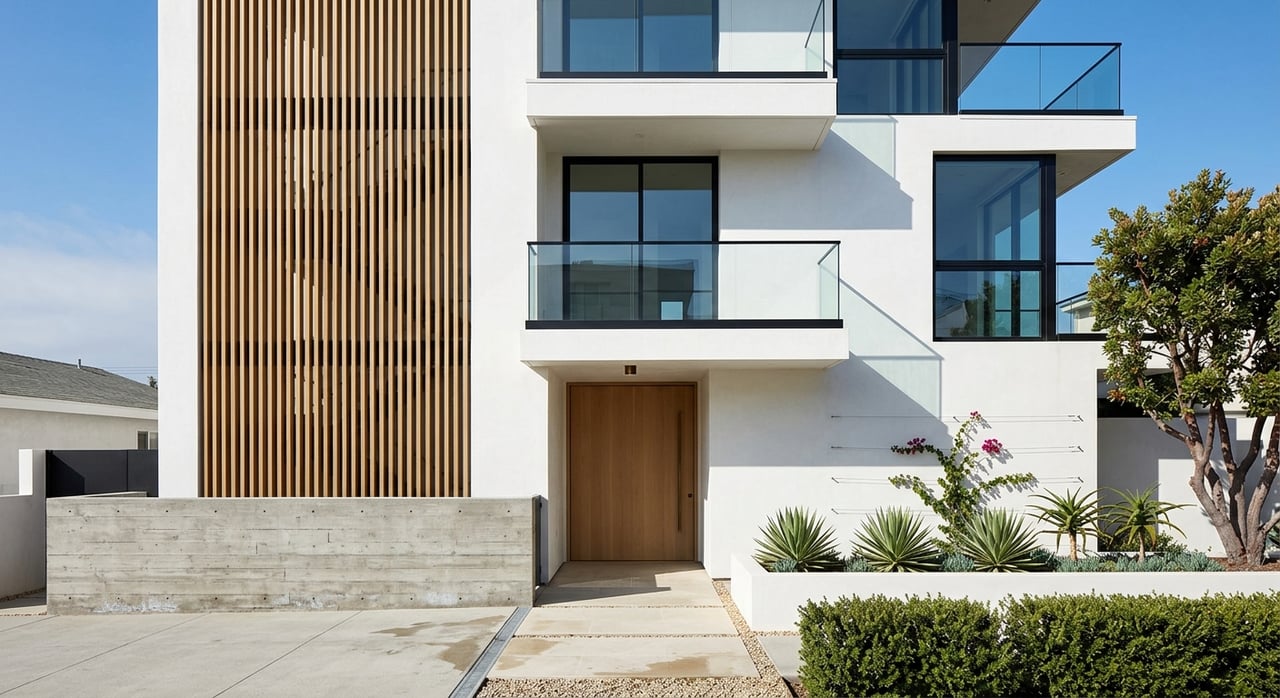
Think Pacific Beach is still just a nightlife address with a beach attached? That reputation lingers, but the real estate story has become much more layered. If you are considering buying, selling, or investing in PB, it helps to understand how planning, housing stock, and buyer demand are reshaping the neighborhood. Let’s dive in.
Pacific Beach Has Grown Up
Pacific Beach today functions as more than a party corridor. The City of San Diego describes it as an eclectic community that attracts professionals, families, young adults, students, surfers, and retirees, with nearly 47,000 residents, about 1,500 businesses, and several hotels according to the city’s Pacific Beach community profile.
That matters because it confirms what many buyers now see on the ground. PB still draws beach crowds, especially in summer, but it also has the structure of a long-term residential community. The area has a deep housing base, everyday services, and public amenities that support year-round living.
The city’s long-range planning update makes that shift even clearer. It frames Pacific Beach as both a visitor destination and a residential community, with development intended to balance those two roles over the next 20 years, as outlined in the community plan update materials.
Amenities Support Full-Time Living
One reason PB feels different today is that its neighborhood infrastructure is hard to ignore. The city lists Pacific Beach Elementary, Sessions Elementary, Pacific Beach Middle, Mission Bay High, Kate Sessions Park, Palisades Park North and South, and Pacific Beach Community Park on its official community page.
These amenities do not make Pacific Beach unusual for San Diego, but they do reinforce that it is not only a visitor zone. Parks, schools, and community-serving spaces help support a broader mix of residents and a more stable daily rhythm beyond weekends and summer tourism.
For buyers, that often changes the conversation. Instead of asking whether PB is too active, many are now asking which part of PB fits their lifestyle, how close they want to be to the water, and whether they want a condo, townhome, or single-family home.
Planning Is Reshaping Pacific Beach
Pacific Beach is not expanding outward much. It is already about 97 percent developed, according to the adopted community plan. That means much of the future housing change is expected to come through redevelopment and infill.
This is one of the biggest reasons the neighborhood is evolving beyond older assumptions. When an area is nearly built out, new value often comes from replacing dated properties, improving walkability, and creating housing that better fits current demand.
Infill Is Driving the Next Chapter
The community plan also notes that much of Pacific Beach’s multifamily zoning was downzoned in 1990 from 29 dwelling units per acre to 15 dwelling units per acre. That policy still affects neighborhood scale and helps explain why some parts of PB feel more residential in form than buyers might expect.
In practice, this creates a market where redevelopment is selective. Instead of unlimited density, owners and developers often work within tighter design and scale expectations, which can preserve character while still allowing for meaningful upgrades.
Mixed-Use Corridors Matter
Certain planning tools also influence how Pacific Beach changes. The area includes a Community Plan Implementation Overlay Zone Type B, and some projects require supplemental review or a Site Development Permit under the city’s planning framework.
The Cass Street Commercial Planned District is especially telling. Its purpose includes maintaining a mix of residential and commercial uses while supporting pedestrian-oriented development that remains compatible with nearby residential blocks. That is not a one-dimensional party-district model. It is a neighborhood-serving mixed-use model.
Transit and Walkability Are Increasing Value
Some of the strongest redevelopment pressure is tied to mobility. The Balboa Avenue Station Area Specific Plan provides a framework for transit-oriented development, multimodal improvements, and pedestrian-focused planning in a key part of the community.
The city’s broader update also points to lower parking requirements for some transit-oriented projects and a stronger focus on bicycle, pedestrian, and transit design in the current planning update. That kind of policy direction often supports a more livable coastal district, especially for buyers who value access over car dependence.
From a lifestyle standpoint, that shift matters. Redfin rates Pacific Beach as very walkable, with a Walk Score of 74 and a Bike Score of 63 in its Pacific Beach market overview. For many owner-occupants and second-home buyers, that improves daily convenience and broadens long-term appeal.
The Housing Stock Is More Diverse
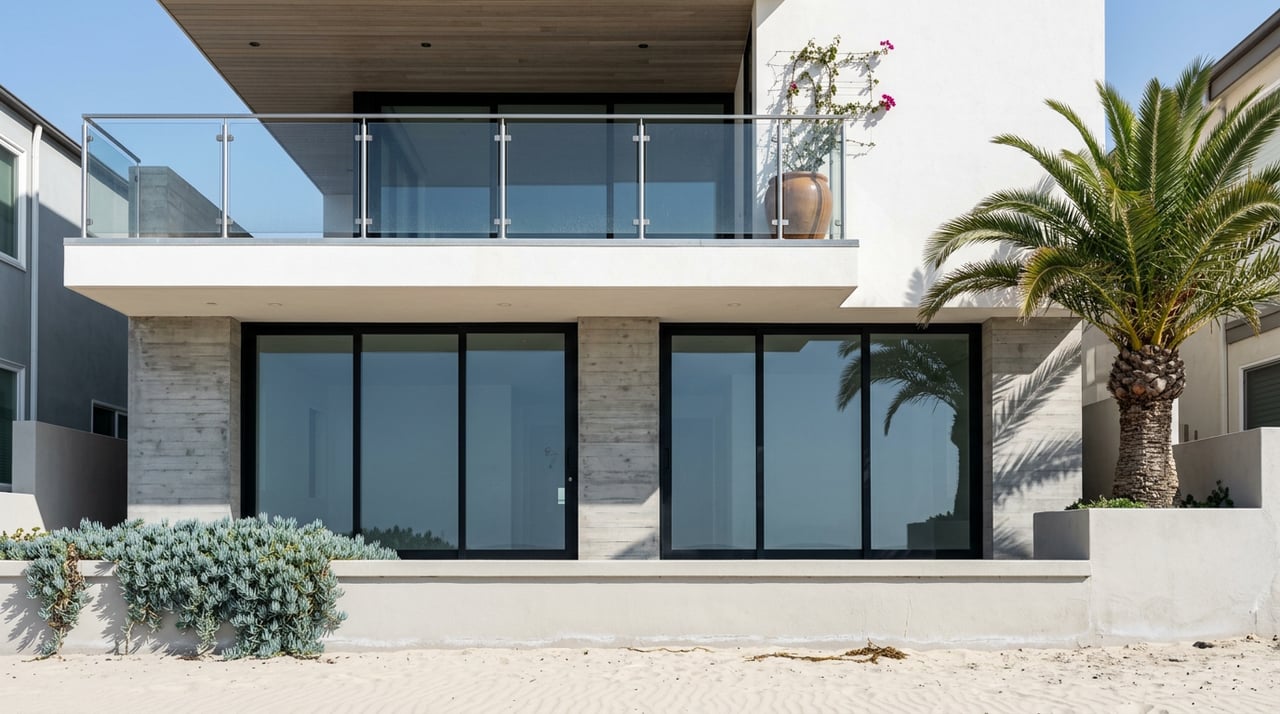
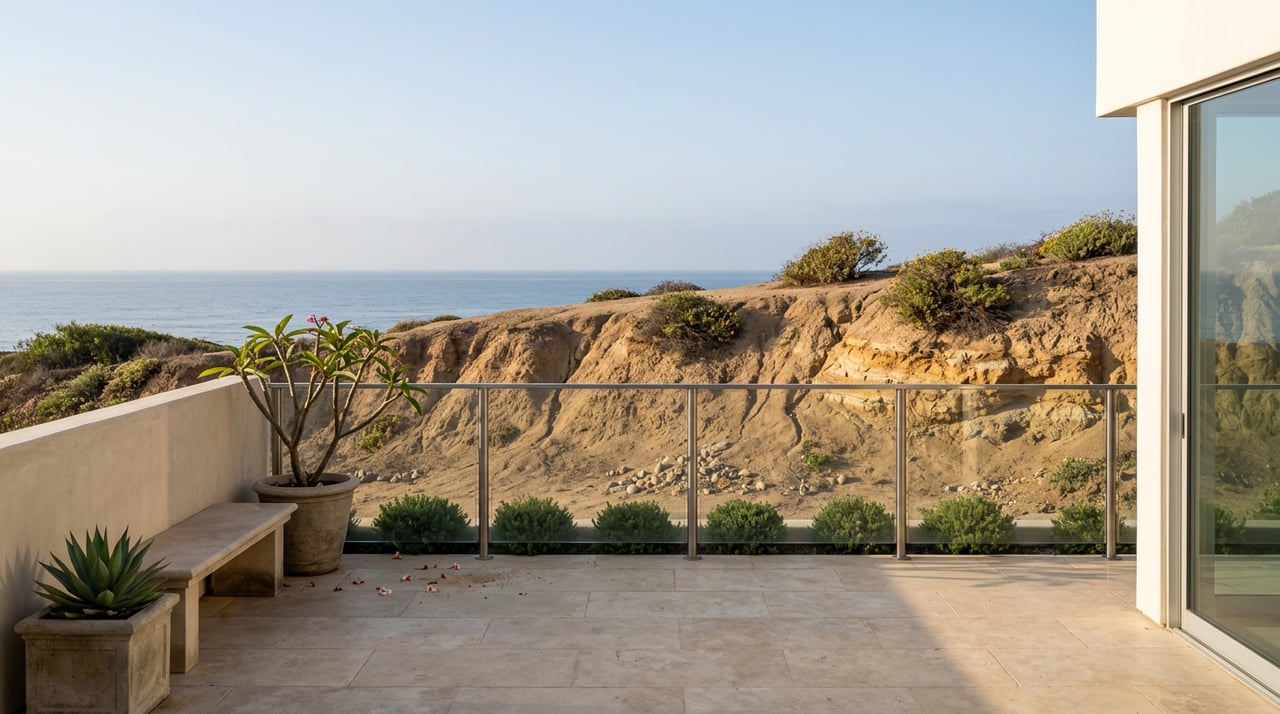
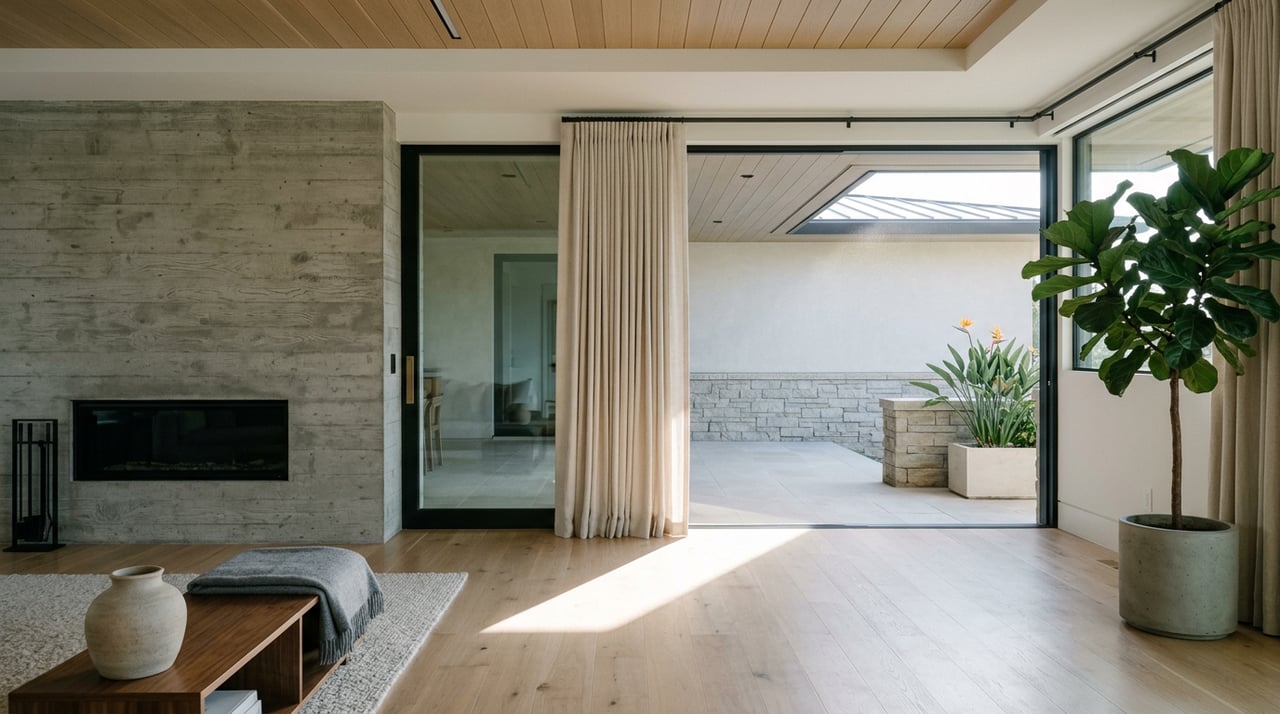
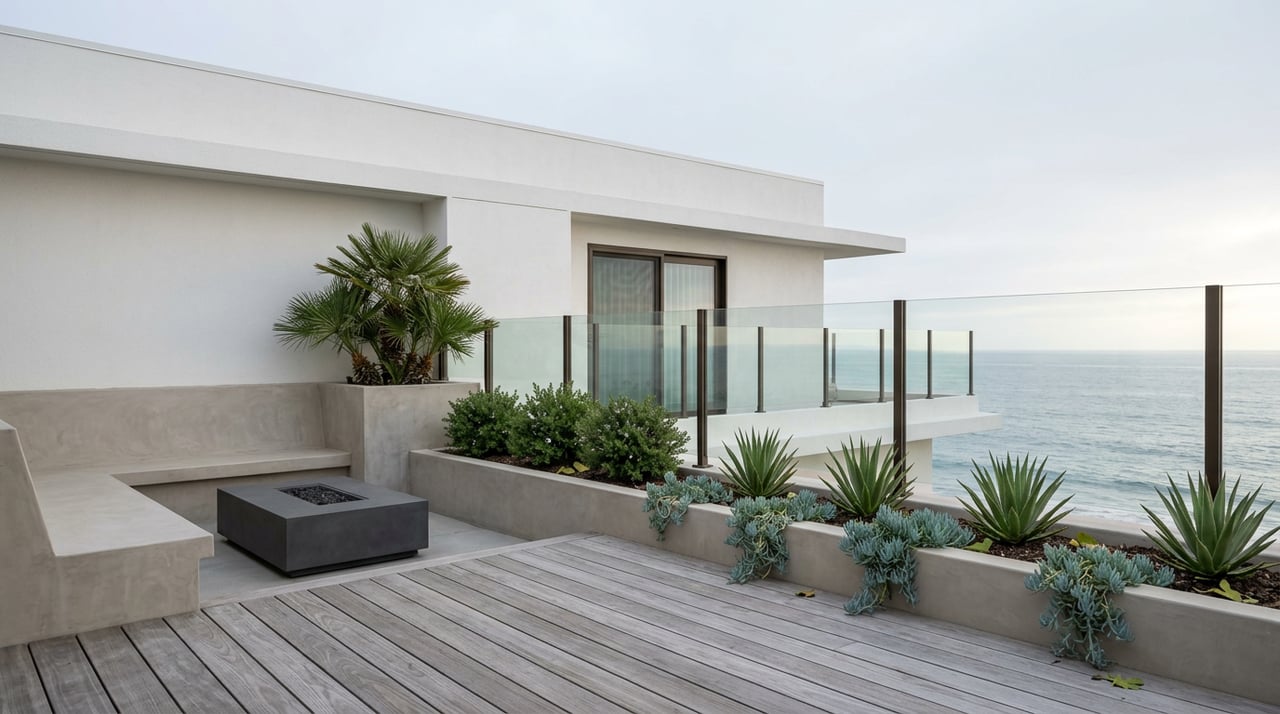
Pacific Beach real estate is no longer defined by older rental inventory alone. Today’s market includes renovated condos, luxury homes, townhomes, and upgraded coastal properties that appeal to a wider range of buyers.
Redfin currently shows 70 luxury homes for sale in Pacific Beach at a median listing price of $1.58 million, based on its luxury homes data. The platform also reflects examples of renovated and higher-end product, including coastal condos near Mission Bay and remodeled waterfront homes.
That broader product mix changes how PB competes with other coastal neighborhoods. Buyers looking for lower-maintenance ownership, a move-up beach property, or a polished second home can now find options that did not define the area in the same way years ago.
Renovated Properties Are Changing Perception
A current Pacific Beach Drive condo highlighted by Redfin is described as a fully renovated coastal residence near Mission Bay and Fanuel Street Park, with features like a rooftop deck and two parking spaces in the property listing. Examples like that help explain why PB increasingly attracts buyers who want lifestyle and finish level, not just location.
For sellers, this is an important signal. Thoughtful updates, design improvements, and pre-listing preparation may play a larger role in value today because buyers are often comparing your property against a growing pool of upgraded inventory.
Pacific Beach Is Really Several Micro-Markets
One of the biggest mistakes buyers make is treating all of Pacific Beach the same. In reality, PB behaves more like a collection of micro-markets shaped by location, planning constraints, and housing type.
The beach and bayfront core remains the most visitor-facing part of the neighborhood. The city’s Pacific Beach planning studies and reports page highlights work focused on Mission Boulevard, Pacific Beach Drive, Diamond Street, and the boardwalk, where public space and active transportation are central issues.
That area tends to attract buyers who want immediate access to the water, dining, shopping, and a more walkable coastal experience. It often has a different feel, and often a different pricing logic, than quieter inland or hillside blocks.
Hillside Streets Tell a Different Story
The northwest hillside area presents a more residential pattern. The legacy plan describes it as gently to moderately sloped, subject in part to hillside review constraints, and primarily built with low-profile single-family homes in the community plan document.
That distinction is important for buyers seeking a quieter setting without leaving Pacific Beach altogether. It also helps explain why two homes with the same ZIP code can appeal to very different buyers and trade on different lifestyle priorities.
What the Market Data Say Now
Pricing shows that Pacific Beach remains a premium coastal market. Zillow estimates the typical home value at $1,353,364 as of January 31, 2026, with 79 homes for sale and a median list price of $1,311,333 in late February 2026, according to Zillow’s Pacific Beach home values page.
Redfin, which tracks closed sales, reports a February 2026 median sale price of $1,435,000, up 6.3 percent year over year, with homes taking about 44 days to sell and closing at 96.7 percent of list price in its Pacific Beach housing market report. While Zillow and Redfin measure different things, together they suggest a market that has cooled in some metrics without losing pricing strength or buyer interest.
Redfin also describes Pacific Beach as somewhat competitive, with some homes receiving multiple offers and hotter listings going pending in about 14 days. In other words, PB may be more nuanced than before, but it is not soft by default.
What This Means for Buyers and Sellers
If you are buying in Pacific Beach, it helps to approach the area with precision. The key question is usually not whether PB works for you, but which pocket, property type, and level of finish best match your goals.
If you are selling, the neighborhood’s evolution creates opportunity. Buyers are paying attention to design, functionality, parking, outdoor space, and how a property fits within a changing coastal lifestyle market, not just whether it is close to the beach.
In a neighborhood shaped by infill, planning overlays, and varied micro-markets, strategy matters. Positioning, pricing, and pre-market preparation can make a meaningful difference, especially for higher-value homes, luxury condos, and renovated properties.
Pacific Beach has not stopped being a beach neighborhood. It has simply become more complete, with stronger residential identity, more diverse housing, and a planning direction that supports long-term livability alongside its visitor appeal.
If you are weighing a purchase or sale in Pacific Beach and want discreet, data-driven guidance tailored to the coastal luxury market, WM Luxury Real Estate is here to help.
FAQs
Is Pacific Beach still mainly a party neighborhood?
- Pacific Beach still has an active beach and entertainment presence, but the City of San Diego also describes it as a residential community with parks, schools, businesses, and long-term planning that balances visitor activity with year-round living.
How is Pacific Beach real estate changing for buyers?
- Buyers are seeing more variety in Pacific Beach, including renovated condos, townhomes, luxury homes, and properties in distinct micro-markets ranging from the boardwalk area to quieter hillside streets.
What do Pacific Beach planning changes mean for property values?
- Pacific Beach is about 97 percent built out, so future change is expected to come through redevelopment and infill, which can support value by modernizing older housing stock and improving walkability and neighborhood function.
Is Pacific Beach walkable for full-time residents?
- Yes, Redfin rates Pacific Beach as very walkable, and the neighborhood also benefits from parks, commercial corridors, and planning efforts focused on pedestrian, bicycle, and transit improvements.
Are Pacific Beach homes still in demand?
- Current market data suggest yes, with premium pricing, some multiple-offer activity, and certain homes going pending quickly, even as some measures show a more balanced pace than in earlier periods.