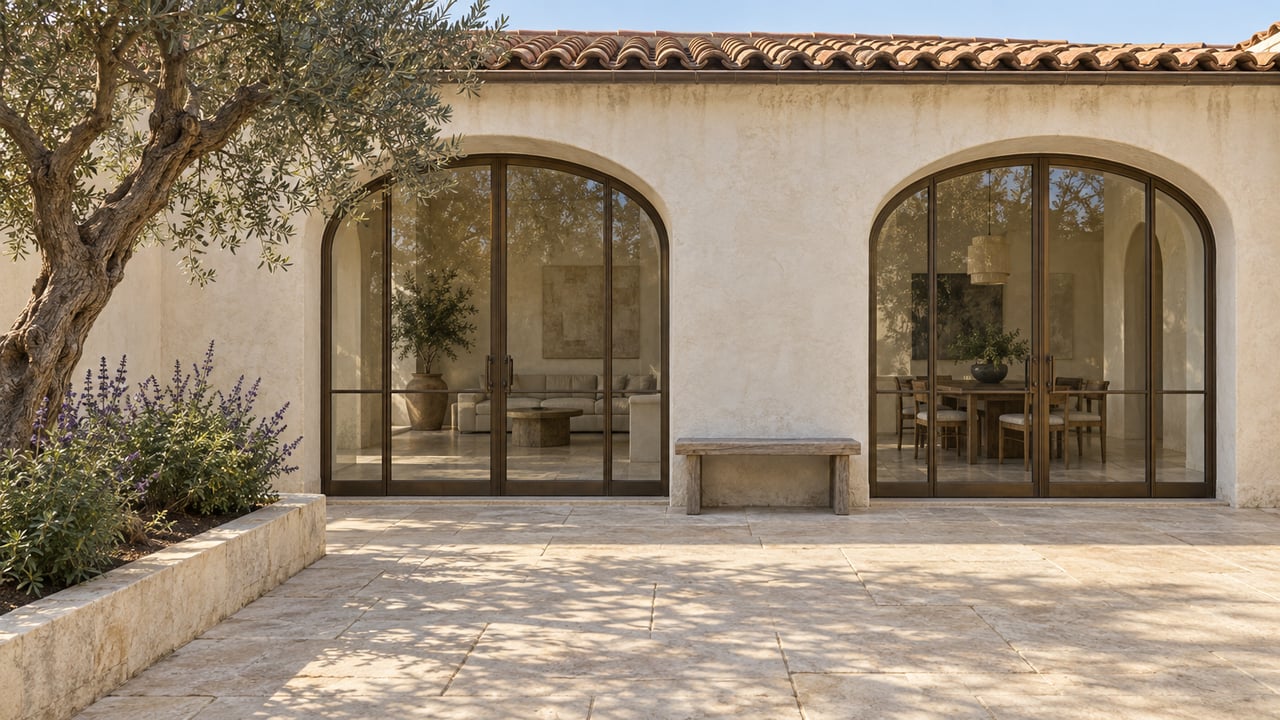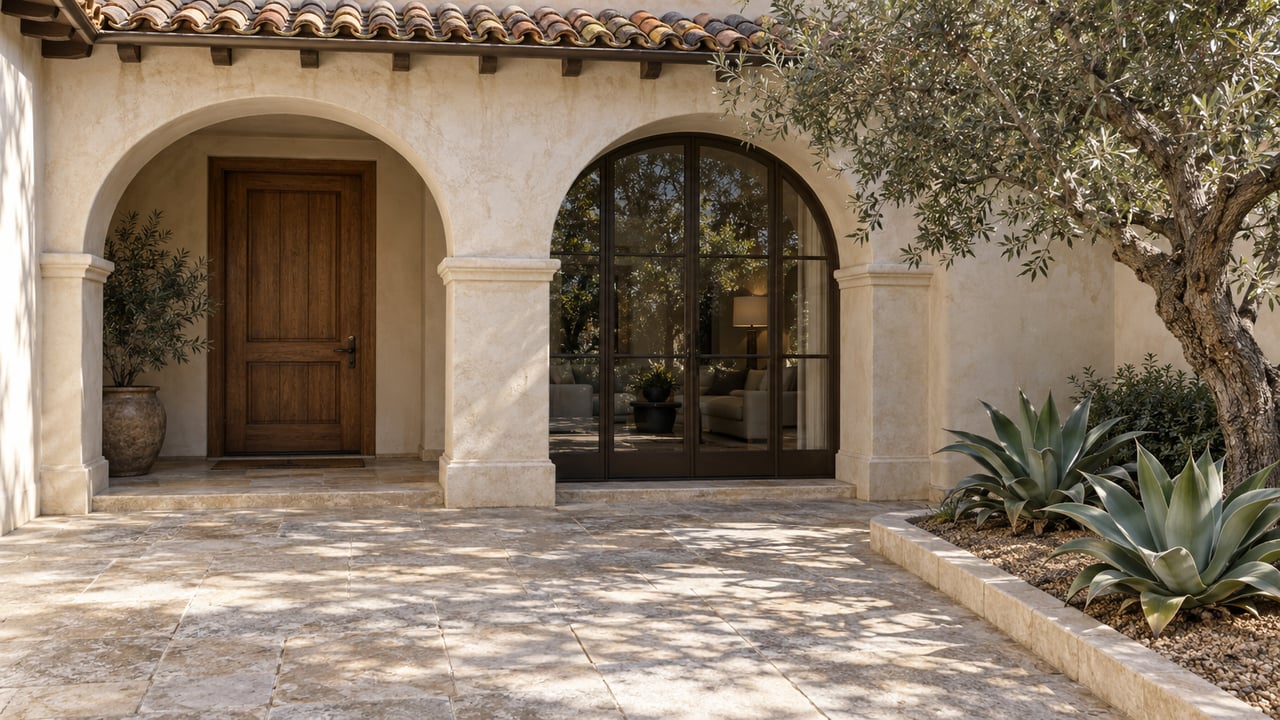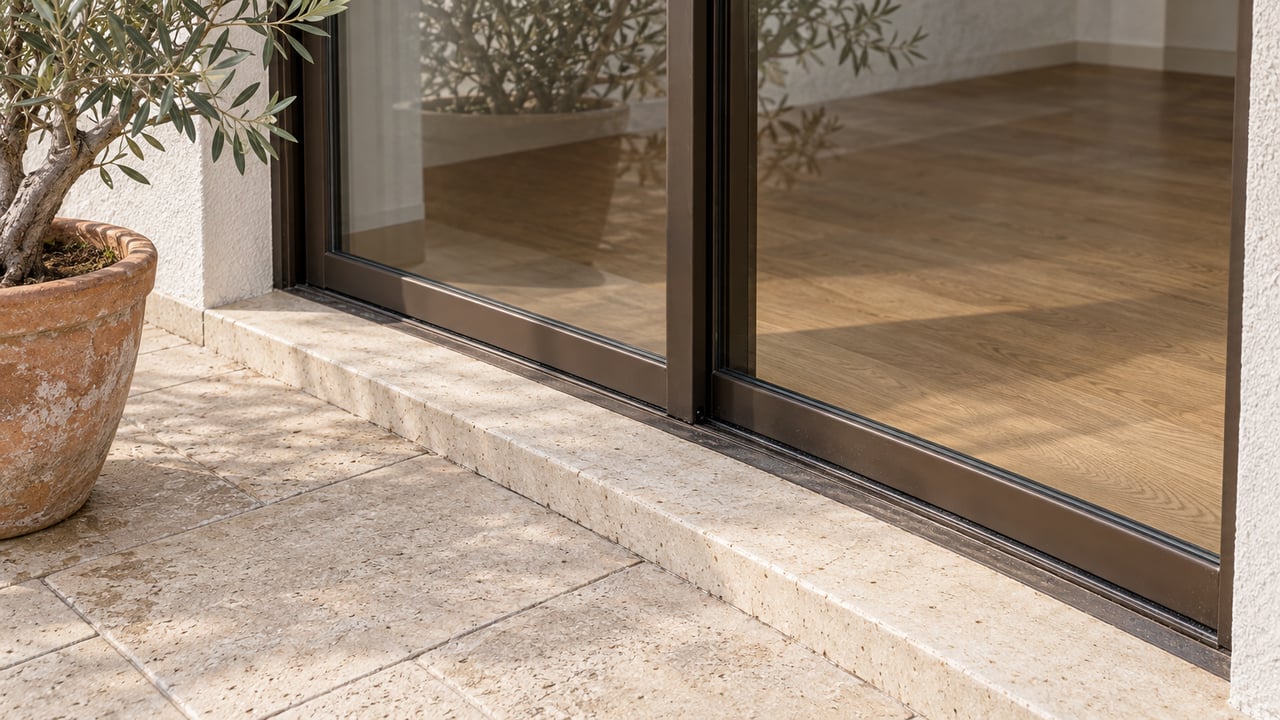
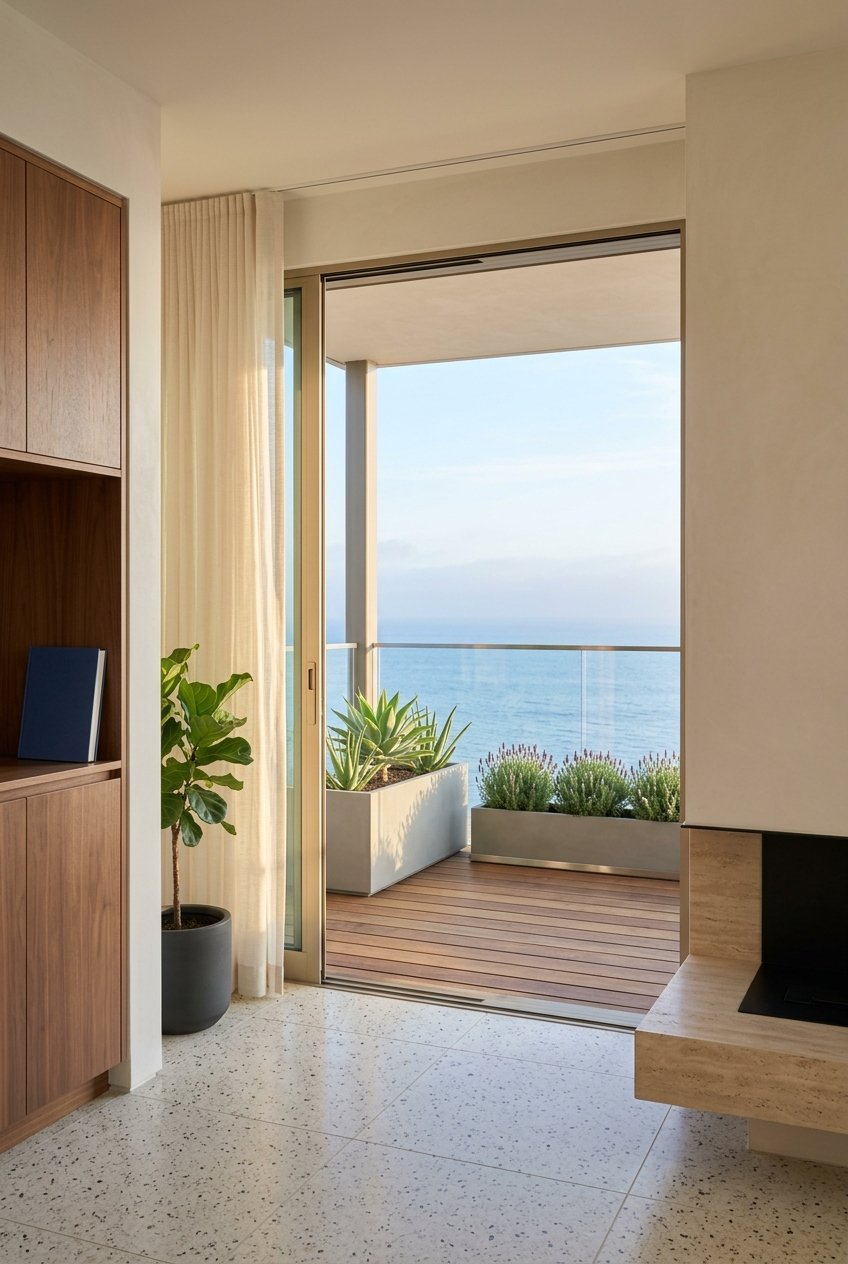
If you are selling a view home in Point Loma, you are not just putting a house on the market. You are selling a setting, a daily experience, and a scarce slice of San Diego’s coastal lifestyle. That can create a meaningful premium, but only when pricing, presentation, and timing work together. In this guide, you will learn how to position your Point Loma view property to compete well in a high-value coastal market. Let’s dive in.
Why Point Loma Stands Apart
Point Loma is one of San Diego’s most distinctive coastal submarkets, shaped by harbor access, panoramic outlooks, and waterfront destinations like Shelter Island, Grace Beach, and Cabrillo National Monument. The area draws attention for its bay-and-ocean scenery and active coastal setting, which is part of why buyers often see it as a lifestyle-driven market rather than a typical neighborhood. According to the official San Diego tourism guide for Point Loma beaches, the area is known for waterfront access, sportfishing activity, and sweeping views.
That appeal shows up in pricing. Redfin places Point Loma’s median sale price at $1.57 million with 32.5 days on market, while an SDAR MLS-derived 92106 report shows a trailing-12-month median sales price of $1.70 million. Those figures are directional rather than directly comparable because they use different timeframes, but together they support the same conclusion: Point Loma sits in the upper tier of an already expensive county market.
For context, the San Diego County median residential sales price reported by SDAR in May 2025 was $900,000, and the median for detached homes was $1.05 million. In other words, your Point Loma view home is likely competing in a premium bracket where buyers expect strong presentation, credible pricing, and a polished sale process. You can review the broader county trend in SDAR’s market update.
How the View Premium Really Works
A view premium is real, but it is not automatic. In San Diego County research, each additional mile away from the coast reduced a median-priced home’s sale price by about $8,680 after controlling for other factors. That finding helps explain why coastal proximity matters, and it also supports the idea that views add another layer of value on top of location. The underlying study is available through Springer’s San Diego coastal pricing research.
Still, not every view commands the same response. Buyers typically weigh the width of the view, the angle, privacy, whether utility lines interrupt it, and how durable it feels over time. A broad ocean horizon, harbor panorama, or dramatic evening skyline can justify a sharp price difference from a nearby property with only partial or filtered water views.
That is why the smartest pricing strategy starts with local comparable sales, not a blanket percentage. Broader water-view studies show premiums can vary widely based on quality and scarcity, but those numbers do not transfer cleanly from one market to another. For your Point Loma home, the real question is how your exact sightline compares to nearby sales that buyers will also study.
Price Against the Right Comparables
In Point Loma, location alone is not enough to set price. Buyers in this segment often compare homes by view quality, level of finish, privacy, and condition, not just by square footage or lot size. A home with a more protected and panoramic view may trade well above a larger home with little visual impact.
This is where disciplined comparable selection matters. If your home overlooks the bay, harbor, city lights, or open ocean, those features should be weighed against recent sales with similar outlooks, not simply nearby homes in the same ZIP code. The goal is to prove the value of your property’s setting through evidence buyers can understand.
Recent national research also suggests buyers continue to value ocean views even as climate risks become more visible. That does not mean sellers should assume an unlimited premium. It means your marketing should show why your home’s view is special, while your pricing stays grounded in credible local data. See the broader finding in this Nature study on ocean views and coastal pricing.
Presentation Makes the View Feel Bigger
When a home is marketed around the view, presentation does more than improve appearance. It changes how large, open, and memorable the setting feels when buyers walk in. Even a strong outlook can lose impact if dirty glass, cluttered rooms, or heavy window coverings interrupt the sightline.
The National Association of Realtors recommends practical showing steps that matter especially in a view home: clean windows and screens, remove clutter, replace heavy curtains with lighter treatments, and keep the property easy to navigate. Those details help the eye move naturally to the exterior focal point. You can review the guidance in NAR’s checklist for a better home showing.
For Point Loma sellers, this usually means focusing on a few high-impact items before launch:
- Clean all glass thoroughly, inside and out
- Minimize furniture that blocks windows or terrace access
- Use simple window treatments that soften light without hiding the view
- Refresh paint, caulking, and trim where wear is noticeable
- Make decks, balconies, and patios feel usable and tidy
- Reduce visual distractions so buyers focus on the outlook
In premium coastal markets, buyers often connect deferred maintenance with future hassle. A clean, well-prepared home makes the view feel like a luxury benefit, not a tradeoff.
Address Coastal Wear Before Listing
Salt air is hard on homes. FEMA notes that salt spray and onshore winds can accelerate corrosion in coastal environments, especially on metal connectors and exposed hardware. In Point Loma, that often shows up first in railings, fasteners, windows, exterior fixtures, paint, caulking, and mechanical components. FEMA’s technical guidance on corrosion protection in coastal areas helps explain why buyers notice these details quickly.
This matters because buyers in a high-value segment tend to look beyond staging. They are often assessing whether the home has been cared for over time. If visible wear competes with the view for attention, your sale can lose momentum or invite stronger repair requests during escrow.
Before listing, it helps to review exterior maintenance with a critical eye. Fresh paint, repaired trim, cleaned surfaces, and well-maintained doors and windows can improve both photography and in-person showings. In a coastal property, condition and presentation are closely linked.
Resolve Older-Home Issues Early
Many Point Loma homes are older, and that creates an important pre-listing step. The City of San Diego states that parcels containing a structure 45 years old or more may require site-specific historical review if they are not in an exempt area. If your property has additions, remodels, or older permit history, it is wise to sort through those records before the home hits the market. You can start with the city’s Historical Reviews page.
There is also a coastal development context to keep in mind. San Diego’s coastal height bulletin notes that the Coastal Height Limitation Overlay Zone is generally capped at 30 feet. For sellers, that matters less as a talking point and more as part of the due diligence buyers may review when they assess prior improvements or future potential.
The practical takeaway is simple: clean up paperwork early. Permit history, previous renovations, and any unpermitted work should be reviewed before launch so you can avoid last-minute surprises that slow negotiations.
Time the Launch Around Local Patterns
Timing can shape both buyer traffic and seller convenience. Zillow Research found that San Diego’s strongest listing window in 2025 was the second half of March, with late March delivering the largest local windfall. For many Point Loma sellers, that makes a spring launch a strong default, especially before summer visitor activity picks up.
That seasonal pattern matters because San Diego is a major tourism market. The San Diego Tourism Authority reported 32 million visitors in fiscal 2024, along with 73% average hotel occupancy and nearly four-night stays. In June 2025, the same organization reported Point Loma hotels running at 78.0% occupancy that week as the market moved into summer. You can see the broader tourism trend in the San Diego Tourism Authority annual update and its weekly hotel performance report.
For you, that can affect parking, privacy, and showing convenience. Busy waterfront activity near Shelter Island and harbor areas may make some weekends less appealing for open houses or private tours. If privacy matters, or if your property depends on easy buyer access, avoiding major event weekends is often the more strategic choice.
One example is the annual San Diego Bay Parade of Lights, which can bring strong waterfront crowds along with added congestion. While the event creates energy, it can also complicate parking and access. In most cases, a controlled showing schedule serves a Point Loma seller better than trying to compete with seasonal crowds.
Watch the Weather in Your Marketing Plan
Point Loma views do not show the same way every day. San Diego’s coastal research specifically notes the seasonal marine-layer effects of May gray and June gloom, which can soften skies and flatten photography. If your home’s biggest asset is a panoramic outlook, weather conditions can influence how that value comes across online and in person.
That does not mean you should avoid listing in late spring. It means your media plan and showing schedule should be intentional. High-quality photography, thoughtful appointment timing, and a launch plan built around the clearest presentation days can help your view read at its best.
This is one reason many luxury sellers benefit from a more managed pre-listing process. A view home often performs best when repairs, staging, photography, and launch timing are coordinated together instead of handled in separate pieces.
A Strong Point Loma Sale Strategy
The strongest strategy for selling a Point Loma view home comes down to three things: accurate pricing, careful preparation, and smart timing. The view may be the headline feature, but the final sale outcome usually depends on how well the home supports that story. If condition, photos, paperwork, and logistics are all aligned, buyers are more likely to see the full value.
That is especially true in a premium coastal market where buyers have options and expectations are high. Your home does not need a generic luxury playbook. It needs a local strategy that respects Point Loma’s market dynamics, coastal wear patterns, and the difference between an average outlook and a truly compelling one.
If you are preparing to sell and want a thoughtful, discreet plan for pricing, pre-listing improvements, and launch strategy, WM Luxury Real Estate can help you navigate the process with boutique guidance tailored to San Diego’s coastal markets.
FAQs
What affects the value of a Point Loma view home most?
- The biggest factors are view quality, coastal location, condition, privacy, and how your home compares to recent local sales with similar outlooks.
When is the best time to list a home in Point Loma?
- Spring is often a strong default because Zillow Research identified the second half of March as San Diego’s strongest 2025 listing window, and it can come before peak summer visitor activity increases congestion.
Do older Point Loma homes need extra review before listing?
- Yes, they can. In San Diego, properties with structures 45 years old or more may require site-specific historical review if they are not in an exempt area.
Why does maintenance matter so much in a coastal Point Loma sale?
- Salt air and onshore exposure can accelerate wear on windows, railings, paint, hardware, and exterior components, and buyers often notice those issues quickly.
Should you assume a standard percentage premium for a Point Loma view?
- No. A view premium is real, but it should be supported by local comparable sales because the value can vary widely based on the width, quality, and durability of the view.