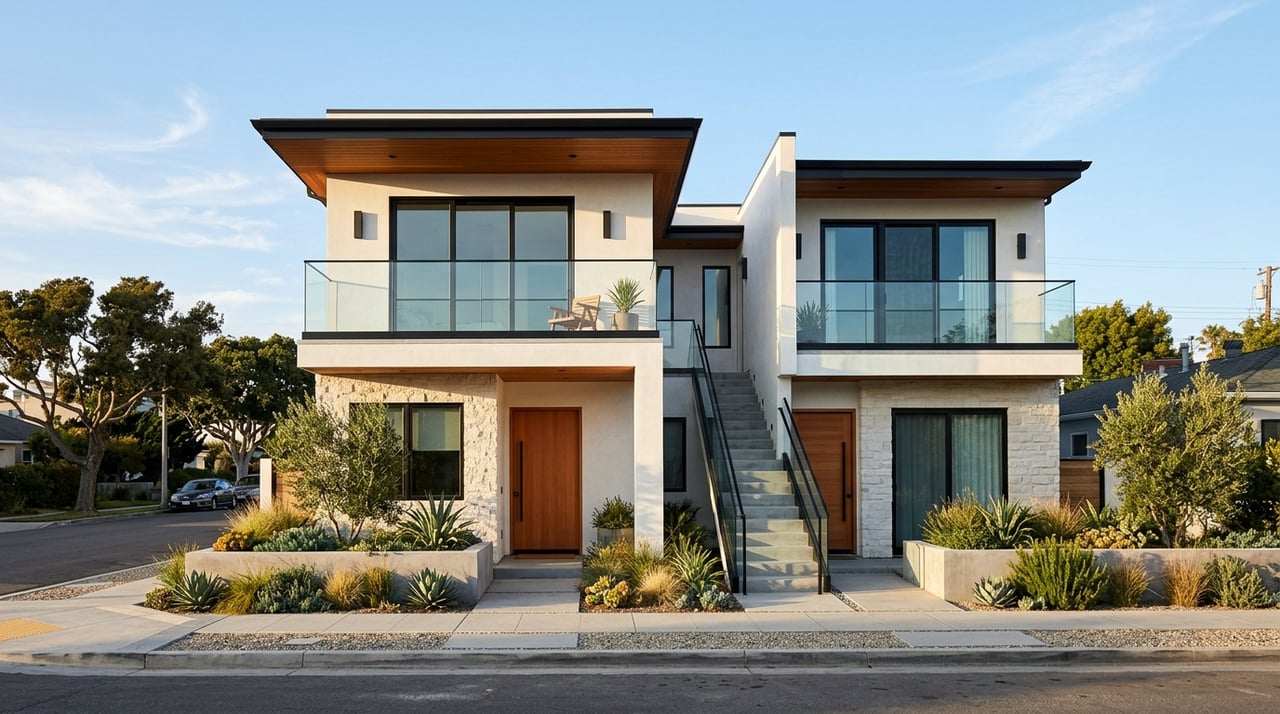
If you are looking at Mission Beach duplex homes, you are probably trying to balance two goals that do not always come together easily: enjoying a true coastal lifestyle and creating usable income from a property you can actually spend time in. That is exactly why Mission Beach stands out. Its duplex and triplex properties offer a very different ownership experience from a typical multi-unit building, and understanding that difference can help you buy with far more confidence. Let’s dive in.
Why Mission Beach duplex homes stand out
Mission Beach is not a conventional neighborhood for duplex ownership. The area sits on a narrow sand-bar peninsula, and City of San Diego planning materials describe it as the city’s most densely developed residential community, with many original residential structures dating back to the 1930s and 1940s.
That history shapes what you see on the ground today. Instead of broad suburban lots and side-by-side buildings, Mission Beach duplex homes are often compact, vertical, and highly space-efficient. You will commonly find small-lot properties designed to maximize square footage, beach access, and views within tight development limits.
The Mission Beach Planned District residential subdistricts allow single dwelling units, duplexes, and multiple dwelling units. City code also points to a small-scale, low-profile development pattern, with minimum lot standards such as 25 by 50 feet in R-N and 30 by 80 feet in R-S. Along with a 30-foot height limit, 1.1 maximum floor area ratio, and 65 percent maximum lot coverage referenced in city materials, these rules help explain why so many properties are built upward instead of outward.
What the typical property looks like
In Mission Beach, duplex product often means a three-story coastal building with garages at ground level and living space above. City notices for recent projects also show rooftop terraces, compact footprints, and layouts built to make the most of every inch.
For you as a buyer, this creates a specific kind of lifestyle. You may gain close beach access, flexible occupancy, and some income potential, but you may give up larger outdoor areas, greater separation between units, and easier parking.
That tradeoff is not necessarily a drawback. For many buyers, it is exactly the point. If you want a personal beach base with an attached income component, this format can be a strong fit, provided you go in with clear expectations.
Coastal lifestyle benefits of a duplex
A duplex in Mission Beach can offer a rare kind of ownership flexibility. One unit may serve as your personal retreat while the other helps offset carrying costs, or you may use the property for extended family, guests, or longer-term occupancy planning.
That can be especially appealing if you want a second home in San Diego but prefer a property that works harder for you when you are not using every square foot yourself. In a market where land is scarce and buildings are compact, duplex ownership can create more options than a single-unit beach residence.
There is also a practical lifestyle benefit. Multi-unit coastal properties here are designed around proximity. You are buying into access, walkability, and a true beach setting, not a large private estate lot. If that matches your goals, the Mission Beach format can feel highly efficient and rewarding.
Income potential is real, but more regulated
Income is part of the appeal, but this is where buyers need to slow down and look closely at the rules. In Mission Beach, short-term rental assumptions are often more optimistic than the actual city framework allows.
As of May 22, 2026, the City of San Diego says whole-home short-term rentals in Mission Beach are Tier 4, the Tier 4 application period is closed, and Tier 3 and Tier 4 licenses must be used at least 90 days per year to remain valid. The city also says a host may hold only one short-term residential occupancy license at a time and may not operate more than one dwelling unit for short-term occupancy at once.
That matters if you are evaluating a duplex based on vacation-rental income. A two-unit property may still generate income, but the strategy is more constrained than many buyers expect. You cannot simply assume both units can be freely operated as short-term rentals.
The city also states that home-sharing can include a separate dwelling unit on the same premises as the host’s primary residence, and that this may apply to duplex, triplex, or quadplex properties when the host lives on-site. That creates possible use cases for some owner-occupants, but the details of how a property is set up and used are critical.
Short-term and long-term rental rules to know
Before you buy, it helps to separate the major rental categories clearly.
Short-term rental rules
If a property is rented for less than one month, the city requires a Transient Occupancy Tax certificate. The city also says owners who rent all or part of a property for more than six days in a calendar year must remit Rental Unit Business Tax.
Longer-term rental rules
For multi-dwelling unit development, the city bulletin states that an MDUD may not be rented for fewer than 31 days. For some buyers, that makes a furnished monthly or seasonal strategy more realistic than a nightly model.
What this means for your pro forma
When you underwrite a Mission Beach duplex, it is wise to model income conservatively. Instead of assuming unrestricted vacation rental revenue, you should evaluate the property based on its actual allowed use, license status, operating costs, and the management intensity you are comfortable taking on.
Parking, permits, and coastal review matter
In Mission Beach, the building itself is only part of the story. Regulatory and site-specific issues can strongly affect value, usability, and future plans.
Because the neighborhood is in the Coastal Overlay Zone, the city says a project there may require a Coastal Development Permit before a construction permit is issued. The city also notes that appealable coastal decisions can go to the California Coastal Commission.
Parking is another major factor. City guidance for multi-dwelling development states that one off-street parking space per dwelling unit is required within the Beach Impact Area of the Parking Overlay Zone unless a car-share exception applies. In a compact beach neighborhood, that can materially affect daily convenience and buyer appeal.
If you are comparing two similar duplex homes, differences in permit history, parking configuration, setbacks, height compliance, or floor-area efficiency can make one property significantly more practical than the other. This is where detailed due diligence really pays off.
Condition risks buyers should inspect closely
Because many original Mission Beach structures date to the 1930s and 1940s, age is a major part of the buying equation. Even updated homes can carry older building elements, legacy repairs, or maintenance items that deserve careful review.
In a coastal environment, salt air and moisture can accelerate wear. Buyers should pay close attention during inspections to moisture intrusion, corrosion, roofing, windows, railings, waterproofing, and signs of deferred maintenance. Exterior metals and related components deserve special scrutiny because coastal exposure can speed up deterioration.
This is one area where technical guidance can add real value. A beautifully presented property may still require a close look at building envelope performance, drainage, and long-term maintenance planning. For a duplex, those issues can affect two living spaces instead of one, which raises the importance of getting the analysis right.
Flood risk and insurance deserve early review
Flood exposure is another major consideration in Mission Beach. The City of San Diego says recent FEMA flood-map updates include both South Mission Beach and North Mission Beach, and that many coastal properties were reclassified from low or moderate risk to high flood risk.
The city also states that properties with federally regulated mortgages in Special Flood Hazard Areas must carry flood insurance. In addition, city materials note that sea level rise in San Diego could add another 3.6 to 7 feet by 2100, and that some South Mission Beach storm-drain infrastructure dates to the 1940s and has been inadequately sized in places, contributing to regular flooding.
For you, that means flood review should happen early, not after you are emotionally committed. Insurance availability, coverage terms, and lender requirements can materially change your carrying costs and purchase decision.
True ownership cost goes beyond the mortgage
A Mission Beach duplex may look compelling based on purchase price and projected rent, but the real financial picture is broader. San Diego County states that Proposition 13 limits secured property tax to 1 percent of current assessed value plus voter-approved bonds and assessments.
The county also notes that reassessment occurs on a change in ownership or new construction and can trigger supplemental tax bills. That means your future tax load may differ significantly from the seller’s current bill.
A stronger ownership model includes:
- Mortgage payment
- Property taxes and possible supplemental bills
- Flood and hazard insurance
- Maintenance reserves
- Coastal wear-and-tear planning
- Permit or compliance-related costs where applicable
- Vacancy and management assumptions based on actual allowed use
If you build your numbers around the full carrying cost, you are much more likely to buy a property that supports your lifestyle instead of straining it.
Who Mission Beach duplex living fits best
This property type tends to work best for buyers who want a personal beach base with some income support and who are comfortable with close-in coastal living. Shared walls, compact vertical design, and active management are often part of the package.
It may be a tougher fit if you want a large yard, strong separation from neighbors, abundant parking, or a simple whole-home vacation-rental strategy. Mission Beach is dense, highly regulated, and physically constrained by design.
That is not a negative. It simply means the right buyer profile matters. When your expectations line up with the neighborhood’s built form and rules, a duplex here can be a very smart coastal acquisition.
How to evaluate a Mission Beach duplex well
If you are serious about buying in this market, focus on the details that most affect daily use and long-term value.
Start with the property’s use case
Be clear about whether you want a primary residence, second home, owner-occupied income property, or longer-term hold. Your ideal setup should drive how you evaluate layout, licensing, and rental assumptions.
Review zoning and development constraints
City zoning materials specifically advise buyers to look carefully at setbacks, height, and floor-area rules. If you are considering future updates or improvements, those standards can shape what is feasible.
Inspect with coastal conditions in mind
Do not treat this like a typical inland duplex. Focus on waterproofing, corrosion exposure, roof condition, windows, railings, exterior finishes, and any signs of recurring moisture issues.
Underwrite conservatively
Model taxes, insurance, maintenance, parking utility, and realistic rental use. If the numbers only work under an aggressive short-term rental scenario, that is a signal to pause.
Look beyond surface appeal
A polished coastal property can still have meaningful complexity behind the walls or in the permit file. The best purchases in Mission Beach are often the ones where design, compliance, and building condition all align.
If you are weighing a Mission Beach duplex as a personal retreat, second home, or income-minded coastal purchase, the right guidance can make the process far more strategic. WM Luxury Real Estate brings technical insight, discreet service, and deep San Diego coastal market perspective to help you evaluate properties with clarity and confidence.
FAQs
What makes Mission Beach duplex homes different from suburban duplexes?
- Mission Beach duplex homes are typically built on smaller lots in a denser coastal setting, so they are often more vertical, more space-efficient, and more constrained by parking, height, and lot coverage rules.
Can you use both units of a Mission Beach duplex as short-term rentals?
- The City of San Diego says a host may hold only one short-term residential occupancy license at a time and may not operate more than one dwelling unit for short-term occupancy at once, so buyers should not assume both units can be used that way.
What rental period rules matter for a Mission Beach duplex property?
- The city requires a Transient Occupancy Tax certificate for rentals of less than one month, and city guidance also states that an MDUD may not be rented for fewer than 31 days.
What should buyers inspect carefully in older Mission Beach duplex homes?
- Buyers should closely review moisture intrusion, corrosion, roofing, windows, railings, waterproofing, and deferred maintenance because coastal salt and moisture can accelerate wear.
Why does flood insurance matter for Mission Beach duplex buyers?
- The City of San Diego says recent flood-map updates affected both North and South Mission Beach, and properties with federally regulated mortgages in Special Flood Hazard Areas must carry flood insurance.
What ownership costs should you model for a Mission Beach duplex purchase?
- A realistic budget should include mortgage, property taxes, possible supplemental tax bills, insurance, maintenance reserves, and any costs tied to coastal compliance or the property’s permitted use.